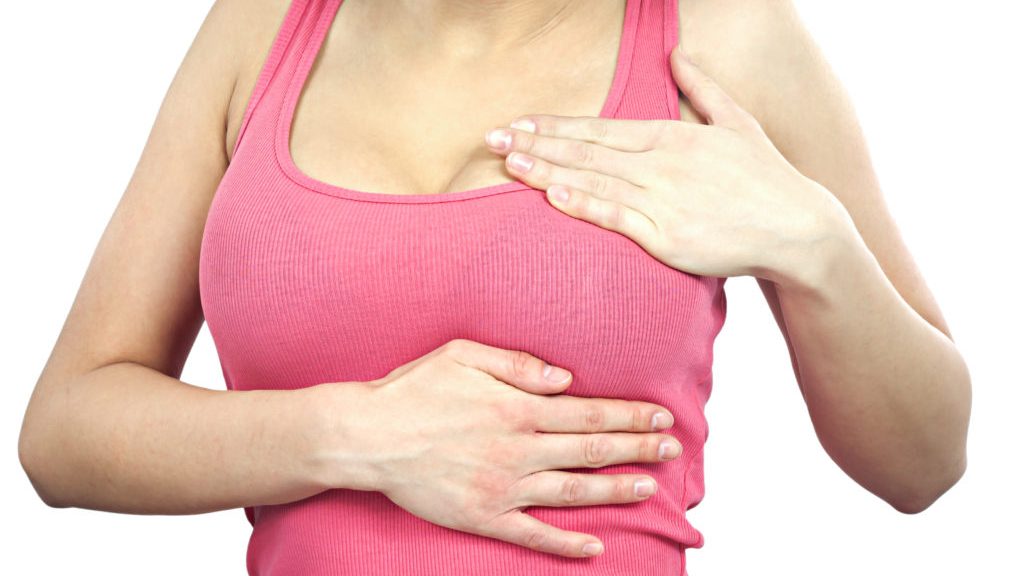
Women are justifiably worried about breast cancer. It is the most common malignancy in American women (excluding cancers of the skin), accounting for more than 25% of all cancers diagnosed. Over 180,000 new cases will be discovered in 2014.
Given the perennial debate over screening recommendations, it rests with every woman to protect herself from this disease in whatever fashion seems reasonable. Though mainstream American medicine generally downplays the use of herbs or supplements in health maintenance programs, and though the pharmaceutical industry eschews research on unprofitable molecules, there is compelling evidence that substances from the “natural” world may be of benefit in protecting women from breast cancer.
Phytoestrogens
These plant-based hormones act as “adaptogens” in human tissues by competitively binding to estrogen receptors on cells. This leads to a reduction in estrogen’s influence, since phytoestrogens don’t stimulate cells in the same way that endogenous estrogen does. Conversely, for menopausal women, phytoestrogens may alleviate symptoms of estrogen deficiency. Because there is still controversy about phytoestrogens’ effects on breast cancer, most experts still advise women with estrogen-sensitive breast cancers—and those taking Tamoxifen— to avoid phytoestrogens.
- Kudzu: The root of this vine—long used as a food in certain cultures—contains the isoflavone formononetin, which is converted in the gut to daidzein. Studies in Japan, the US, and Finland have shown that dietary isoflavones are associated with reduced rates of breast and uterine cancers.
- Red clover: Probably the world’s best-known anti-cancer herb, red clover contains all four classes of phytoestrogens: lignans, coumestans, isoflavones, and resorcylic acid lactones. In a study (Breast Cancer Research 6:R170-R179), comparisons between red clover and prescription hormone replacement therapy showed that red clover (in contrast to HRT) did not increase mammographic breast density after one year of use.
- Soy: Soy contains the isoflavones daidzein and genistein. The latter has been shown to reduce angiogenesis (a tumor’s ability to form new blood vessels), thus inhibiting a cancer’s ability to grow and metastasize.
- Flax seed: Flax is a rich source of lignans. Aside from binding to estrogen receptors, lignans also produce compounds that increase the excretion and elimination of endogenous estrogens.
- Other phytoestrogen-containing plants (black cohosh, mung beans, alfalfa, chickpeas, lentils, etc.) can be incorporated into the diet according to one’s tastes. Current recommendations stress the preference for food sources of phytoestrogens over concentrated tablet or capsule forms.
Antioxidants
Antioxidants reduce the daily oxidative damage—and thus the risk of malignant change—that occurs in all cells by removing reactive “free radicals” that form as a part of normal cellular metabolism.
- Vitamins C and E: Classic sources of antioxidant activity, these vitamins have been extensively studied. Dosage recommendations vary. Experts recommend avoidance of synthetic sources.
- Carotene: While recent research has revealed that synthetic beta-carotene may increase risk for certain cancers, the carotene found in natural carrot oil is a potent antioxidant that reduces risk.
- Selenium: This metallic trace element is important in potentiating the effects of vitamin E.
- Alpha lipoic acid: This potent antioxidant is found in red meats, some organ meats, spinach, broccoli, and yeast (particularly brewer’s yeast). Supplements are also available. High levels of ALA in breast tissue have been shown to decrease the likelihood of breast cancer metastasis.
Polyphenols are a subclass of antioxidants with a specific cyclic molecular structure. The absorption of polyphenols from the gut may be impaired by certain foods, such as refined sugars. Cocoa, green tea, and grape seed are well-known sources of polyphenols.
- Epigallocatechin-3-gallate (EGCG): Found in green tea, EGCG effectively inhibits tumor angiogenesis, and has been shown to reduce the growth of breast tumors in mice.
- Oligomeric proanthocyanidins (OPCs): These polyphenols, found in grape seed extract, have been shown to irreversibly inhibit the growth and division of human breast cancer cells in tissue culture (Clinical Cancer Research, Vol 6, 2921-2930). Researchers have stated that OPCs “…should be studied more extensively to be developed as preventive and/or interventive agents against breast cancer in humans.”
Indoles
A naturally occurring component of Brassica vegetables (broccoli, kale, cauliflower, etc), indole-3-carbinol has been shown to reduce the incidence of mammary tumors. Indoles arrest the growth of cultured human breast cancer cells, much like OPCs. Research (source) indicates that indoles do not function as classical estrogen antagonists. Instead, they may activate genes that are responsible for regulating cells’ responses to estrogen.
Immune boosters
Garlic, zinc, Echinacea, and transfer factors are among a broad class of agents that activate certain components of the immune system (T helper cells, natural killer cells, B cells, etc).
Clearly, traditional medical approaches to breast cancer have not succeeded in eradicating this disease. Indeed, a woman’s likelihood of acquiring breast cancer is nearly three times what it was 50 years ago. As with all health issues, concerned individuals must do their homework, make informed decisions, and assume control of their own well-being.